

Scar therapy and body
Updated: Feb 9
SCAR: Understanding Its Impact on Healing and Movement
The Healing Journey of Scars
A scar is a natural part of the healing process. It can result from surgery, injury, burns, insect bites, piercings, tattoos, lacerations, or childbirth, such as C-sections or episiotomies. Scars are evidence that the body has repaired itself.
However, once the skin has healed, a scar can still affect the body in ways that may not be immediately obvious. From an osteopathic perspective, a scar is more than just a mark on the skin. It can influence movement, posture, circulation, and even how different parts of the body communicate over time.

What is a Scar?
A scar forms when the body repairs damaged tissue. During this healing process, collagen fibres are laid down quickly and often in a more rigid, less organized manner compared to healthy tissue. This can reduce the elasticity and mobility of the affected tissues.
While some scars feel soft and move easily, others may feel tight, thick, numb, sensitive, or uncomfortable.
Zoom into the Healing Process
After any trauma, the body undergoes a remarkable healing process that consists of four stages:
Bleeding and Angiogenesis: New blood vessels form to promote the release of blood elements and growth factors for reconstructing new tissue.
Inflammation and Migration: Fibroblasts migrate towards the extracellular matrix, producing inflammatory cytokines, enzymes, and proteins, including tropocollagen and elastin.
Collagen Production: Collagen cells are deposited in the extracellular matrix, forming the main endurance components of connective tissue.
Remodelling: Enzymes modify the deposition of collagen cells to restore the injured tissue.


How is the Injured Tissue Regenerated or Replaced?
If the healing process is successful, the damaged tissue is regenerated. However, several factors can affect the completion of the remodelling phase. These include the severity and location of the injury, the embryological origin of the damaged tissue, and other comorbidities. If the remodelling phase is incomplete, it can lead to a continuous inflammatory process, resulting in tissue replacement.
This replaced tissue is often formed by an excess of collagen cells, which have low elastic capacities and increased fragility.
Types of Scars
There are several types of scars, depending on the excess of collagen components in the epidermis and dermis. Some scars may adhere to the underlying layers, causing pain and affecting soft tissue mobility and range of motion.


How Can a Scar Affect the Body?
Even a small scar can have broader effects, especially if it restricts the movement of the underlying tissues over time. Scars can:
Limit the normal glide between skin, muscles, and fascia.
Create tension that pulls on surrounding areas.
Alter posture or movement patterns.
Affect circulation and lymphatic flow.
Irritate nearby nerves.
Because the body functions as a connected system, tension from a scar can contribute to symptoms far from the original site.
Common Symptoms Linked to Scars
Not everyone with a scar will experience symptoms, but some may notice:
Local pain, tightness, or pulling sensations.
Reduced mobility or stiffness.
Numbness or altered sensation around the scar.
Back, neck, pelvic, or shoulder pain with no clear cause.
Digestive, breathing, or pelvic discomfort, especially after abdominal or pelvic surgery.
For example, an abdominal or C-section scar may influence breathing mechanics, spinal movement, or pelvic function. Similarly, a mastectomy scar can affect the mobility of the upper extremities and alter breathing patterns due to tension around the thorax.

How Osteopathy Can Help with Scar Tissue
Osteopathy takes a whole-body approach. When assessing a scar, osteopaths consider not only the scar itself but also how it affects movement and balance throughout the body.
Osteopathic manual treatment can reduce collagen deposition during the healing phase. This is achieved by applying external, oriented mechanical force with the hands on the scar tissue. This phenomenon is known as Mechanotransduction. The biological response reduces inflammation and promotes the recovery of elastic proteins.
The scar osteopathic technique involves gentle pressure on deep scar structures to decrease adhesion density and restore tissue functionality and elasticity.
Osteopathic treatment may include gentle, hands-on techniques aimed at:
Improving mobility of the scar and surrounding tissues.
Reducing tension in the fascia.
Supporting circulation and lymphatic drainage.
Helping the nervous system settle and adapt.
Restoring balance and movement in the body as a whole.
It's never too late to treat a scar, even one from a long time ago.

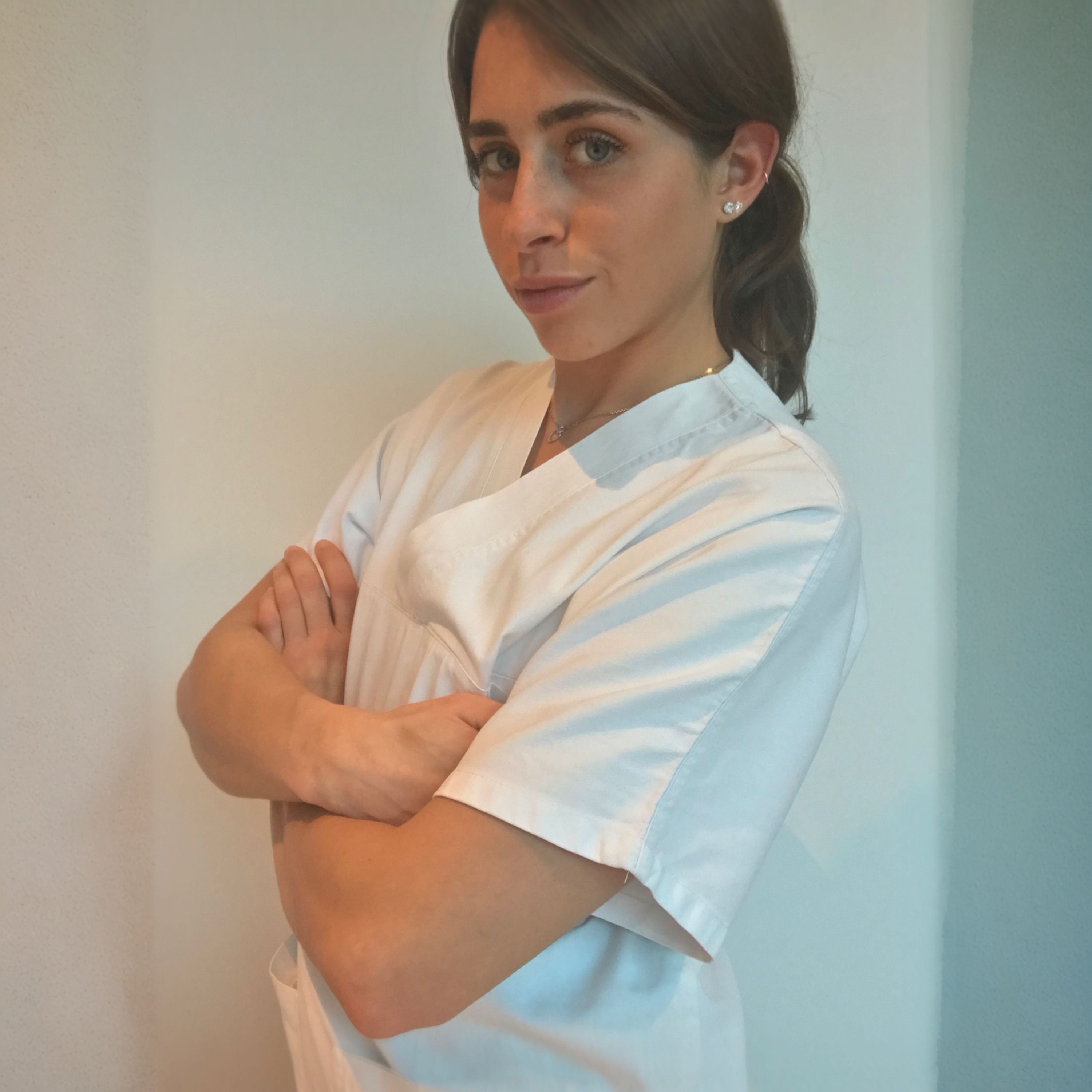
Giulia will also provide advice on oils and self-massages to aid in scar tissue repair.

When is It Safe to Treat a Scar?
Scar treatment can usually begin once the wound has fully healed and there are no signs of infection. This may take weeks or months after surgery or injury. Gentle techniques can often be performed after a couple of days, while more structural techniques should be conducted after three months to allow adequate time for the healing process.
Listening to Your Body
If you have a scar and notice ongoing discomfort, tightness, or unexplained symptoms, it may be worth having it assessed. If you're curious about whether osteopathic treatment could help you, speak with Giulia for personalized advice.
Check out the 2 videos Giulia has made to show how to release some tightness around the scar tissue and C-section incision.
References:
Bordoni, B. and Zanier, E. (2013) ‘Skin, fascias, and scars: symptoms and systemic connections’, Journal of Multidisciplinary Healthcare, pp. 11-24.
Liem, T., Tozzi, P. and Chila, A. (2017) ‘Chapter 51 – Understanding and approach to treatment of scars and adhesions’, in Chapelle. S. L. Fascia in the osteopathic field. United Kingdom: Handspring Publishing Limited.
Lindsay, M. and Robertson, C. (2008), Fascia – Clinical Application for Health and Human Performance, Delmar (ed).


